
Bringing a new baby home is a whirlwind of joy and anxiety. But in the chaos of diaper changes and late-night feedings, it’s easy to forget about your own recovery. The “fourth trimester” is a delicate balancing act. Your body is healing from a marathon, but you’ve been handed a 24/7 job. This guide explores how to balance healing with the demands of motherhood, so you both can thrive.
Understanding Postpartum Recovery
To balance recovery with motherhood, you must first understand what your body and mind are experiencing. Recovery is not a linear process, and it looks different for every woman. Acknowledging the magnitude of the changes you are undergoing is the first step toward giving yourself grace.
Physical Changes and Healing
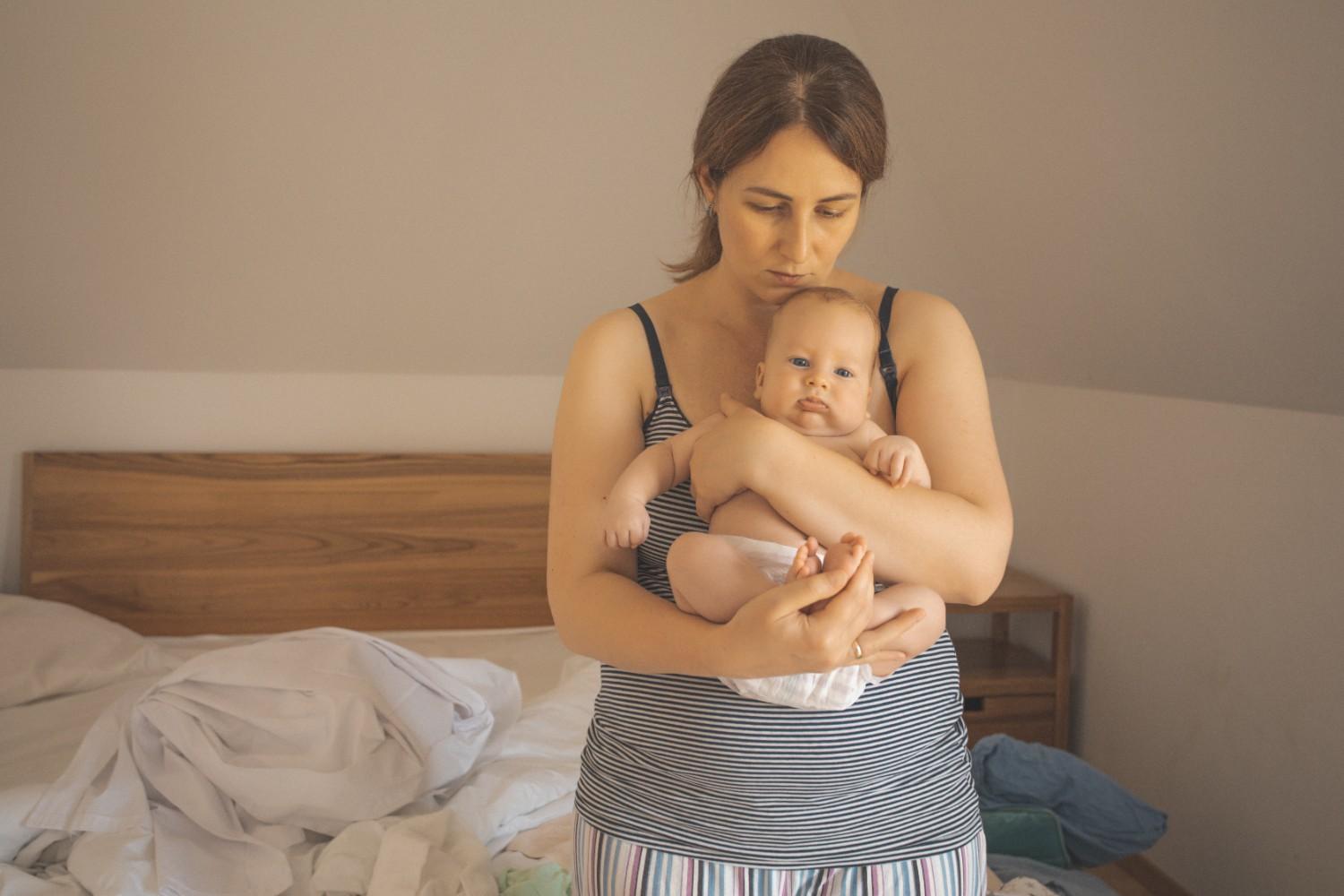
The physical toll of childbirth is significant. Your uterus is shrinking back to its original size, a process called involution, which causes cramping. You may be dealing with stitches, soreness, and general fatigue. Your organs are shifting back into place, and your hormones are fluctuating wildly.
If you had a C-section, you are recovering from major abdominal surgery while lifting a newborn. If you are breastfeeding, your body is expending a tremendous amount of energy to produce milk. Common issues like hair loss, skin changes, and back pain can also add to the physical strain. It is essential to listen to these signals. Pain is your body’s way of telling you to slow down. Ignoring these signs can prolong your recovery time and lead to complications down the road.
Emotional Well-being and Mental Health
The physical changes are often accompanied by an emotional rollercoaster. The “baby blues” affect up to 80% of new mothers, causing mood swings, crying spells, and anxiety in the first few weeks after birth. This is largely due to the sudden drop in estrogen and progesterone.
However, it is vital to distinguish between the baby blues and Postpartum Depression (PPD) or Anxiety. If feelings of sadness, hopelessness, or intense worry persist beyond two weeks or interfere with your ability to care for yourself or your baby, professional support is necessary. Mental recovery is just as important as physical healing. Acknowledging that you are struggling is not a sign of weakness; it is a proactive step toward being the best parent you can be.
Prioritizing Self-Care
Self-care often feels like a luxury new moms cannot afford. However, you cannot pour from an empty cup. Prioritizing your health is the single best thing you can do for your baby.
Simple Exercises and Stretches
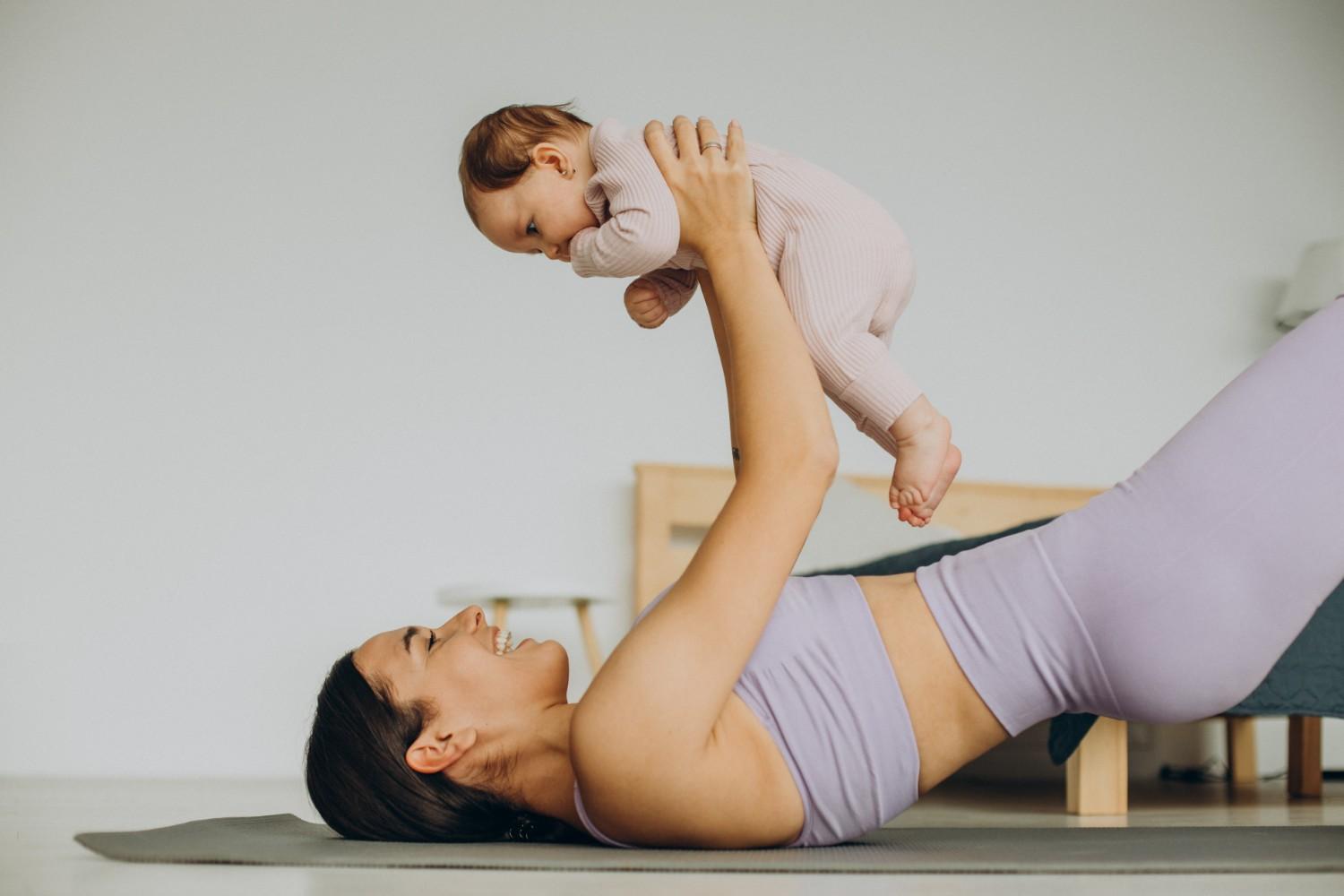
Once your doctor has cleared you—usually around the six-week mark—you can begin to reintroduce gentle movement. This doesn’t mean hitting the gym for high-intensity interval training. Start with walking. A short walk outside with the stroller provides fresh air, a change of scenery, and low-impact cardio.
Incorporating pelvic floor exercises, like Kegels, can help strengthen the muscles that support your bladder and uterus. Gentle stretching can also alleviate the back and neck pain associated with breastfeeding and carrying the baby. Yoga poses such as the “Cat-Cow” or “Child’s Pose” are excellent for relieving tension without overexerting yourself. Always listen to your body; if something hurts, stop immediately.
Nutrition and Hydration
Fueling your body is critical during recovery. You need energy to heal and to keep up with the demands of a newborn. Focus on nutrient-dense foods that provide sustained energy rather than sugar crashes.
- Protein: Lean meats, eggs, beans, and tofu help repair tissues.
- Iron: Leafy greens and red meat combat the blood loss experienced during birth.
- Fiber: Fruits, vegetables, and whole grains help maintain digestive health, which can be sensitive postpartum.
Hydration is equally important, especially if you are nursing. Keep a large water bottle at your favorite nursing spot. If you struggle to find time to cook, rely on healthy, one-handed snacks like nuts, yogurt, or fruit.
Taking Care of Your Body
Beyond diet and exercise, treating your body with kindness is essential. This might mean taking a long, warm shower while your partner watches the baby, or simply moisturizing your skin. Many women struggle with body image issues postpartum as they navigate stretch marks or loose skin.
While the immediate focus should be on natural healing and nutrition, it is okay to think about long-term goals for your body confidence. Some mothers eventually look into cosmetic options, such as a tummy tuck like those available in Salt Lake City, to address muscle separation (diastasis recti) or excess skin that exercise cannot fix. However, major procedures should only be considered well after your body has fully healed from childbirth and you have finished having children. For now, focus on loving and nourishing the body that just performed the miracle of growing a life.
Time Management and Support
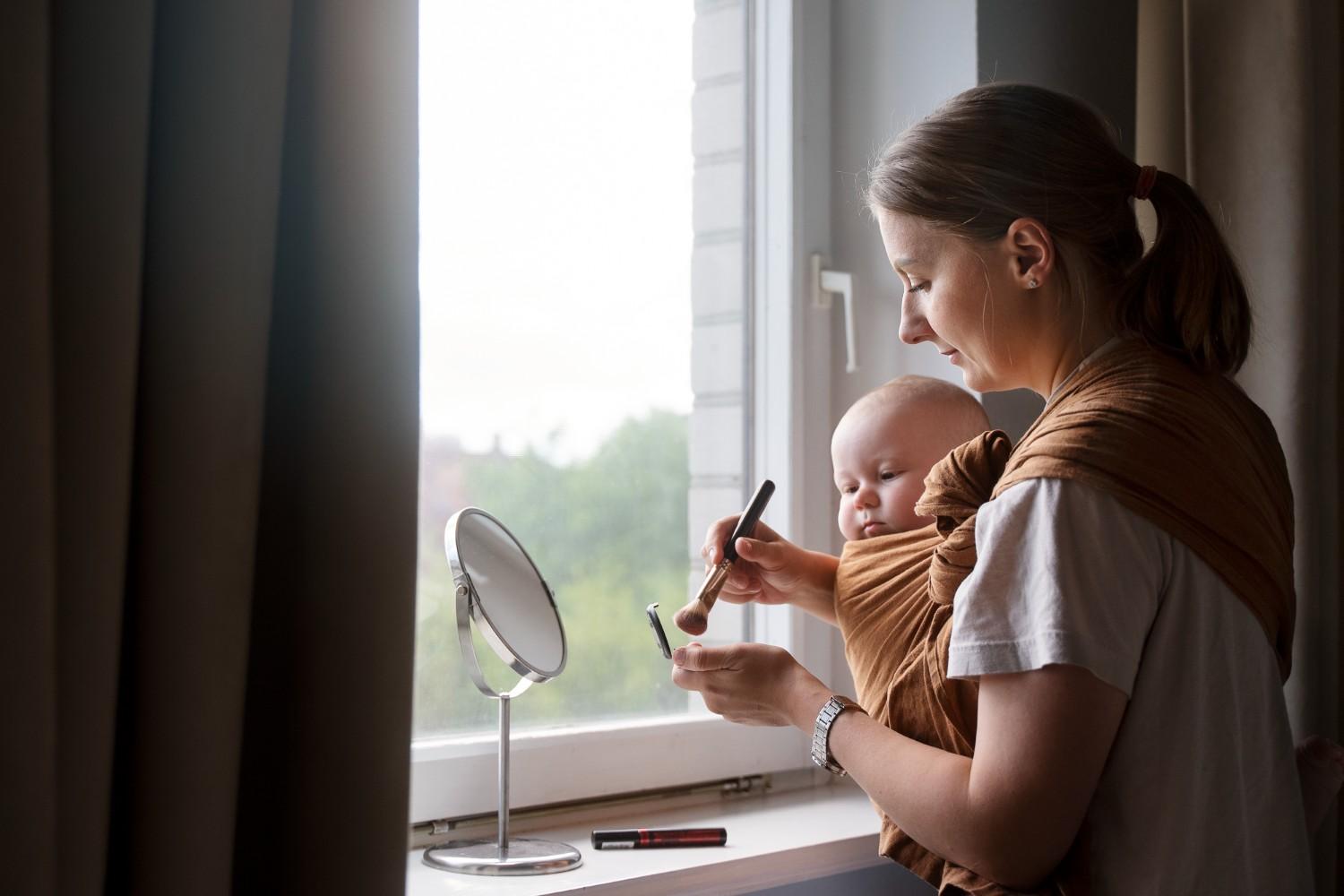
The days can feel incredibly long, but the weeks fly by. Managing your time effectively and accepting help are the logistical keys to balancing recovery and motherhood.
Creating a Routine
Newborns are unpredictable, but establishing a loose routine can provide a sense of control. This doesn’t mean a strict schedule, but rather a rhythm to your day. Try to wake up and go to bed at roughly the same time, even if “bedtime” involves several wake-ups.
Group your tasks. If the baby is sleeping, choose one thing to do for yourself—sleep, shower, or eat—before tackling any household chores. The old adage “sleep when the baby sleeps” is repeated often because it is true. Laundry can wait; your recovery cannot.
Seeking Help from Family and Friends
We were never meant to raise children in isolation. In many cultures, the first 40 days after birth are a time when the women of the community take care of the new mother so she can focus entirely on the baby. While modern life may not always allow for this, you can create your own village.
If friends or family ask, “Is there anything I can do?”, give them a specific task. Ask them to:
- Pick up groceries.
- Hold the baby for an hour so you can nap.
- Fold a load of laundry.
- Bring a meal.
Communicate openly with your partner. They cannot read your mind. If you are in pain or overwhelmed, tell them. Split the night shifts if possible, so you can get at least one four-hour stretch of uninterrupted sleep. Sleep is the foundation of recovery; protecting it should be a family priority.

Conclusion
Balancing postpartum recovery with newborn care is a huge challenge. Instead of trying to “do it all,” focus on what truly matters. Your baby needs a healthy mother more than a perfect house. Respect your body’s need for rest, eat well, and lean on your support system. You are healing, learning, and doing a great job.